
Spending a lot of money on a smartphone is easy. Finding one that gives you genuinely good performance, a reliable camera, and decent battery life without breaking the bank takes more work — but in 2026, the options are better than they’ve ever been.
Budget smartphones have improved dramatically over the past few years. The gap between a €200 phone and a €1,000 phone is real, but it’s narrower than it used to be, and for most everyday uses, a well-chosen budget phone is completely sufficient.
This guide covers the best budget smartphones available in 2026, what to look for when buying one, and what you’re actually giving up compared to a flagship.
What Counts as a Budget Smartphone?
For this guide, budget means under €300. This covers a wide range of devices — from entry-level phones designed for basic use to mid-range devices that compete meaningfully with phones twice their price.
We’ve split recommendations into two tiers:
- Under €150 — capable phones for basic needs
- €150–€300 — the sweet spot where value is genuinely excellent
What to Look for in a Budget Phone
Before the recommendations, here are the specs that matter most at this price range:
Processor — The chip determines overall speed and how long the phone will remain usable. Look for phones using recent Snapdragon 6-series, MediaTek Dimensity 700-series or higher, or Google’s Tensor chips. Avoid older or lesser-known processors that show their age quickly.
RAM — 6GB is the practical minimum for comfortable multitasking in 2026. 8GB is better and increasingly available at budget prices. Below 4GB, expect frustration.
Storage — 128GB should be your minimum. 64GB fills up faster than most people expect, especially with photos and app updates over time. Check whether the phone supports expandable storage via microSD if you think you’ll need more.
Battery — Budget phones often compensate for weaker processors with larger batteries. Look for 5,000mAh or above — this typically translates to all-day battery life with room to spare.
Software updates — This is the most overlooked spec on a budget phone. A phone that stops receiving security updates becomes a liability. Check how many years of updates the manufacturer promises before buying.
Camera — Budget cameras have improved enormously, but there’s still a gap compared to flagships. For the price range, look for phones where reviewers specifically praise daylight photography — low-light performance is where budget cameras struggle most.
Best Budget Smartphones Under €150
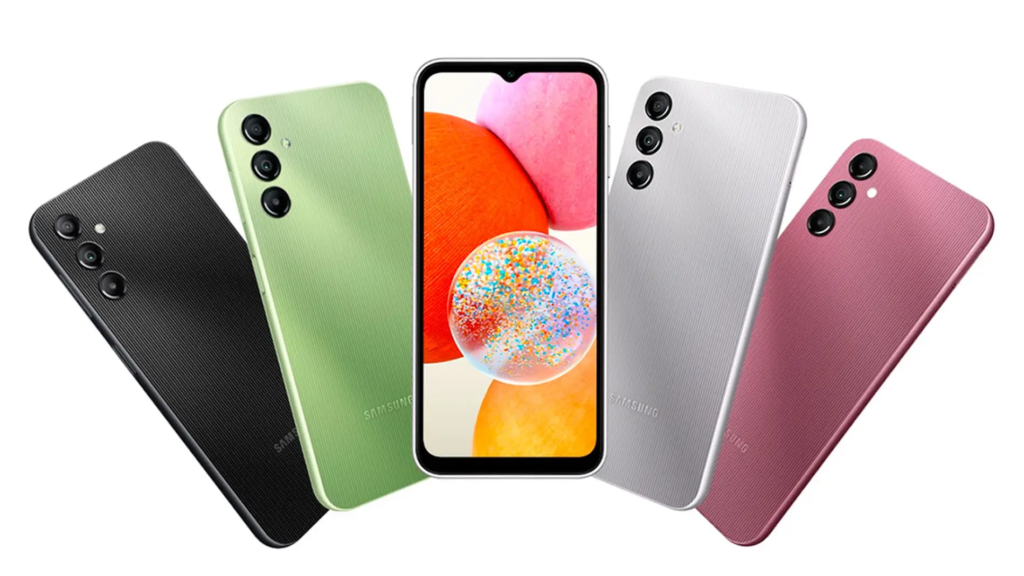
Samsung Galaxy A15
Samsung’s entry-level A-series phones consistently offer good value, and the A15 continues that tradition. It features a 6.5-inch display, 5,000mAh battery, and Samsung’s familiar One UI interface with a clean, organized layout.
The camera produces solid results in daylight, and the build quality feels more premium than the price suggests. Samsung has committed to four years of OS updates for the A-series, which is unusually good for this price point.
Best for: First smartphone buyers, older users who want simplicity, or anyone who primarily needs calls, messages, and basic apps.
Motorola Moto G Power
Motorola’s G Power line has long been known for exceptional battery life at a low price, and the 2026 model continues that legacy with a 5,000mAh+ battery that routinely lasts two days on moderate use.
The near-stock Android experience means it’s clean, fast, and receives updates without manufacturer bloatware slowing things down. Camera performance is adequate for everyday photos without being exceptional.
Best for: Users who prioritize battery life above all else and want a clean Android experience.
Best Budget Smartphones €150–€300
Google Pixel 8a
The Pixel A-series consistently punches above its price class, and the 8a is no exception. It uses Google’s Tensor chip, which delivers performance well above what the price suggests, and the camera — while not matching the full Pixel 8 Pro — produces exceptional photos for the price, particularly in low light.
More importantly, the Pixel 8a receives seven years of guaranteed software and security updates directly from Google — longer than any other Android phone at any price. If you want a budget phone that will remain secure and supported for years, this is the strongest choice available.
Best for: Users who prioritize camera quality, software longevity, and a clean Android experience.
Samsung Galaxy A55
The A55 sits at the upper end of the budget range and shows it. The display is bright and smooth (120Hz refresh rate), the build includes a metal frame that feels premium, and the camera system is one of the best available under €300.
Samsung promises four years of OS updates and five years of security updates for the A55, which is a meaningful commitment at this price. The One UI interface has become genuinely polished and feature-rich.
Best for: Users who want a near-flagship experience at a significantly lower price, and care about display quality and camera versatility.
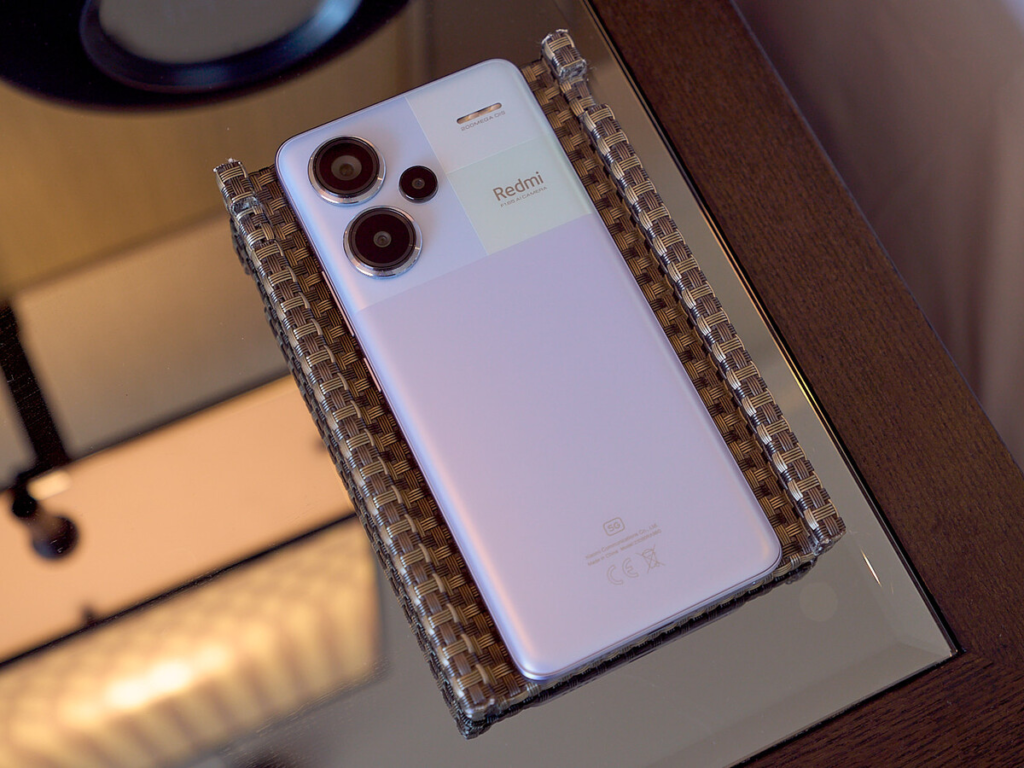
Xiaomi Redmi Note 13 Pro
Xiaomi’s Redmi Note series offers aggressive specs at competitive prices, and the Note 13 Pro continues that tradition. It features a high-resolution display, a capable main camera, and fast charging that fills the battery significantly faster than most competitors at this price.
The MIUI/HyperOS interface is more heavily customized than stock Android, which some users prefer and others find cluttered. Software update commitments are more limited than Samsung or Google, which is worth factoring in.
Best for: Users who prioritize hardware specs — display, camera resolution, charging speed — over software experience and longevity.
Quick Comparison
| Phone | Price Range | Best Feature | Update Promise |
|---|---|---|---|
| Samsung Galaxy A15 | Under €150 | Value and build quality | 4 years OS |
| Motorola Moto G Power | Under €150 | Battery life | 3 years OS |
| Google Pixel 8a | €150–€300 | Camera and updates | 7 years |
| Samsung Galaxy A55 | €150–€300 | Display and camera | 4 years OS |
| Xiaomi Redmi Note 13 Pro | €150–€300 | Specs per euro | 2-3 years |
What You’re Actually Giving Up vs a Flagship
Being honest about the tradeoffs helps you make a better decision:
Processing speed — Budget phones handle everyday tasks well but slow down noticeably on demanding apps, heavy multitasking, and gaming. If you use your phone primarily for calls, messages, social media, and navigation, you likely won’t notice the difference.
Low-light camera performance — This is the clearest gap. Budget cameras struggle in dim conditions in ways that flagship cameras don’t. Daylight photos from a good budget phone are genuinely impressive; night shots are where the difference shows.
Display quality — Budget phones increasingly offer 90Hz or 120Hz refresh rates, but brightness, color accuracy, and outdoor visibility still lag behind flagship panels.
Build materials — Flagship phones use more premium materials (glass backs, titanium frames). Budget phones use more plastic, which is lighter and more durable against drops but feels less premium.
5G connectivity — Many budget phones now include 5G, but coverage varies by region. Check whether your carrier’s 5G network is available where you actually use your phone before treating 5G as a priority.
Frequently Asked Questions
Is it worth buying a refurbished flagship instead of a new budget phone? Often yes. A refurbished flagship from a reputable seller can offer better performance and camera quality than a new budget phone at a similar price. The tradeoff is shorter remaining update support and the inherent uncertainty of buying a used device. Look for certified refurbished options from the manufacturer or authorized retailers.
How long should a budget phone last? With reasonable care and a phone that receives regular updates, three to four years is a realistic expectation. The Pixel 8a’s seven-year update commitment makes it an outlier that could genuinely last longer.
Should I buy unlocked or through a carrier? Unlocked is almost always better. Carrier-bought phones often include bloatware, may be locked to that carrier’s network, and sometimes receive updates more slowly. Buying unlocked gives you more flexibility and a cleaner software experience.
Does RAM matter more than storage? For performance, RAM matters more. For day-to-day usability, storage matters more — running out of space is a more immediate problem than having too little RAM. Prioritize 6GB+ RAM and 128GB+ storage as your baseline.
Are Chinese-brand budget phones safe to buy? Brands like Xiaomi and Realme are widely used globally and are legitimate consumer electronics companies. The privacy considerations around Chinese-manufactured devices are worth being aware of — particularly regarding data collection practices — but for most everyday use, these phones are safe and competitive options.
Final Thoughts
The best budget smartphone in 2026 is the Google Pixel 8a for most people — the combination of camera quality, software experience, and seven years of guaranteed updates is exceptional at the price. If it’s above your budget, the Samsung Galaxy A55 is the next best choice. For under €150, the Samsung Galaxy A15 offers the most reliable overall package.
Whatever you choose, getting the most out of it starts with the right setup. Our guide on 10 Settings You Should Change on Your Android Right Away covers the first things worth adjusting on any new Android phone, and How to Make Your Phone Faster in Simple Steps keeps it running well over time.